
BLOG
The Healthiest Blog Around
Our blog provides health and wellness insights, tips and recipes to help you live your healthiest life. Keep coming back for more!
PART TWO: Breakfast In Pregnancy
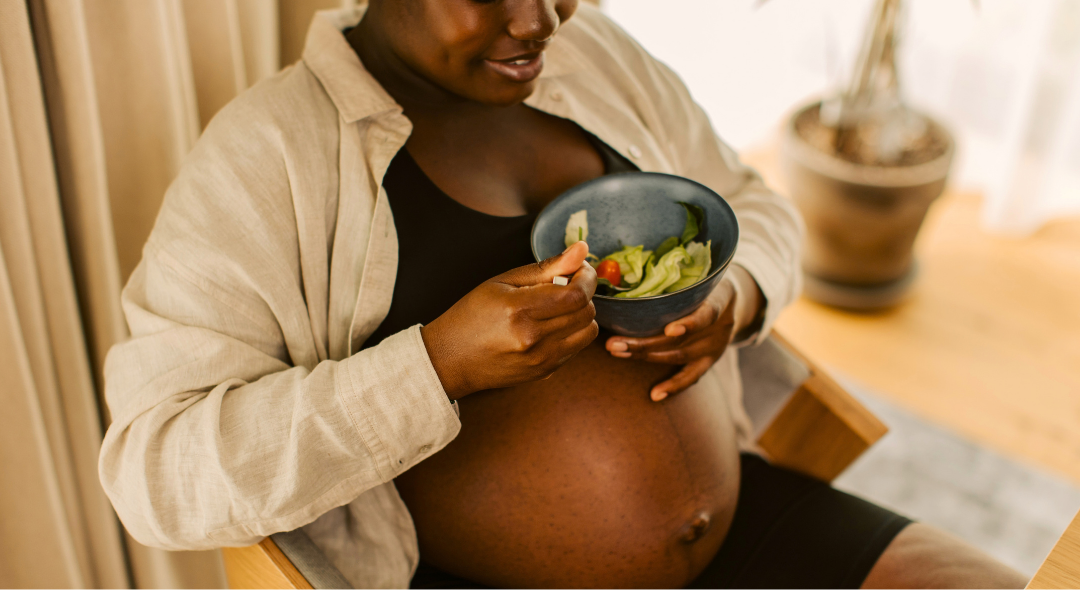
Pregnancy can be a wonderful and extremely challenging time, whether it’s your first or fourth baby. Working as a Registered Acupuncturist supporting people in pregnancy for over 7 years, I’ve seen firsthand that many symptoms can be greatly diminished or even eliminated with regular acupuncture treatments and a few simple lifestyle adjustments. When administered by a Registered Acupuncturist, acupuncture has been found to be both safe and effective in treating many pregnancy-related issues. In the first of a series of blog posts, I will be discussing “Morning Sickness”, more accurately described as nausea and/or vomiting in pregnancy, to offer a better understanding of what it is, how our relationship to eating/food changes in pregnancy and what can be done to improve this sometimes very stressful aspect of First Trimester.

PART TWO: Breakfast In Pregnancy
Pregnancy can be a wonderful and extremely challenging time, whether it’s your first or fourth baby. Working as a Registered Acupuncturist supporting people in pregnancy for over 7 years, I’ve seen firsthand that many symptoms can be greatly diminished or even eliminated with regular acupuncture treatments and a few simple lifestyle adjustments. When administered by a Registered Acupuncturist, acupuncture has been found to be both safe and effective in treating many pregnancy-related issues. In the first of a series of blog posts, I will be discussing “Morning Sickness”, more accurately described as nausea and/or vomiting in pregnancy, to offer a better understanding of what it is, how our relationship to eating/food changes in pregnancy and what can be done to improve this sometimes very stressful aspect of First Trimester.
Traditional Chinese Medicine 101: What is Cupping?
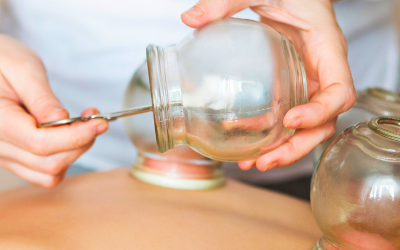
In this series, Tradition Chinese Medicine 101, I will attempt to simplify certain core concepts of TCM that come up frequently in treatment. In this post, we’re going to understand, “What is Cupping?”

You Are Not Powerless in the Face of Existential Dread
“We are in unprecedented times.” This refrain seems to be repeated more and more often these days. What follows is usually some illustration about how things are worse than they used to be and that they’re only going to get worse. People are also reporting feeling more depressed and anxious than they used to. I perceive a lot of existential dread in my practice, and I wanted to speak to this directly. All these issues feel overwhelming. I like to speak about the positive aspects of anxiety with clients, to help them appreciate that anxiety is a primal function to aid our lives.
Curious about working with Dr Kristen Mark ND?
The landmark decision to rename Polycystic Ovarian Syndrom (PCOS) to Polyendocrine Metabolic Syndrome (PMOS) reflects a push to better represent the realities of the condition. Broadening the name from PCOS – a name that emphasizes the involvement and importance of ovarian cysts in the condition, to PMOS, which underscores the whole-body reality of the syndrome, aims to both better represent the condition to the public, but also emphasize the multi-system implications within a clinical context – that is, for patients and care providers. The shift in name from polycystic ovarian syndrome (PCOS) to polyendocrine metabolic syndrome (PMOS) is a huge change, and one that certainly better represents the realities of the condition that affects over 170 million people worldwide. We’re hopeful that this change in language will help to support an improvement in clinical care and support offered globally as well.

From PCOS to PMOS: What does it all mean?
The landmark decision to rename Polycystic Ovarian Syndrom (PCOS) to Polyendocrine Metabolic Syndrome (PMOS) reflects a push to better represent the realities of the condition. Broadening the name from PCOS – a name that emphasizes the involvement and importance of ovarian cysts in the condition, to PMOS, which underscores the whole-body reality of the syndrome, aims to both better represent the condition to the public, but also emphasize the multi-system implications within a clinical context – that is, for patients and care providers. The shift in name from polycystic ovarian syndrome (PCOS) to polyendocrine metabolic syndrome (PMOS) is a huge change, and one that certainly better represents the realities of the condition that affects over 170 million people worldwide. We’re hopeful that this change in language will help to support an improvement in clinical care and support offered globally as well.

PART ONE: First Trimester “Morning Sickness”
Pregnancy can be a wonderful and extremely challenging time, whether it’s your first or fourth baby. Working as a Registered Acupuncturist supporting people in pregnancy for over 7 years, I’ve seen firsthand that many symptoms can be greatly diminished or even eliminated with regular acupuncture treatments and a few simple lifestyle adjustments. When administered by a Registered Acupuncturist, acupuncture has been found to be both safe and effective in treating many pregnancy-related issues. In the first of a series of blog posts, I will be discussing “Morning Sickness”, more accurately described as nausea and/or vomiting in pregnancy, to offer a better understanding of what it is, how our relationship to eating/food changes in pregnancy and what can be done to improve this sometimes very stressful aspect of First Trimester.

5 Chinese Medicine Tips for a Smooth Transition Into Summer
As the days grow longer and the weather warms, many of us start to notice shifts in our energy, digestion, sleep, and mood. In Traditional Chinese Medicine, seasonal transitions are seen as powerful times to support the body before imbalance develops. In this blog post, Registered Acupuncturist Dee Dorrance shares five gentle TCM-inspired ways to help your body transition smoothly into summer.

5 Foods for Blood Deficiency in Traditional Chinese Medicine
If you’ve been feeling more tired than usual, getting lightheaded when you stand up, noticing paleness, dry skin, brittle nails, or even feeling extra anxious or “wired but tired,” you may be dealing with what Traditional Chinese Medicine (TCM) calls Blood Deficiency. In this blog post, Registered Acupuncturist Dee Dorrance helps break down what Blood Deficiency means and then explores five of the best foods to support it, through both a TCM lens and an evidence-informed Western nutrition lens.

How Stress Appears in Your Upper Body According to Traditional Chinese Medicine
Neck and shoulder tension is one of the most common complaints we see in practice. Most people assume it is a posture issue or the result of sleeping in the wrong position. Those can certainly contribute, but what surprises many people is how strongly emotional stress affects this area of the body. In this blog post, Registered Acupuncturist Dee Dorrance shares how Traditional Chinese Medicine and modern physiology explain stress-related shoulder pain.

5 Tips to Stay Healthy This Winter According to Traditional Chinese Medicine
When winter rolls around, everything seems to slow down a little. The days get shorter, the air gets colder, and many of us naturally spend more time indoors. It’s the perfect time to turn inward, rest a little more, and nourish ourselves in deeper ways. In this blog post, Registered Acupuncturist Dee Dorrance shares five simple, grounded ways to stay healthy this winter, combining ancient wisdom and modern science, including how acupuncture can help keep your energy and immunity strong through the colder months.


Ancient Wisdom, Modern Stomach EBook
Using Food as Medicine: Applying the Wisdom of Traditional Chinese Medicine to Heal.
Enjoy your free ebook when you signup for our newsletter.